A step-by-step walkthrough of professional Concrete Leveling methods
Transform Your Home: The Ultimate Guide to Concrete Leveling for a Perfect Finish
Concrete surface areas can weaken over time, bring about disproportion that influences both safety and appearances. Homeowners may notice fractures, dips, or slopes that endanger capability. Recognizing the reasons and signs of these concerns is crucial. Different approaches exist for leveling concrete, each with its own set of products and methods. When to take on the job on your own or call in a specialist can make all the difference, recognizing. The trip to a perfect surface begins below.
Understanding the Causes of Irregular Concrete Surfaces
Although concrete is renowned for its longevity, various aspects can cause irregular surface areas gradually. One primary cause is soil motion, which may arise from variations in wetness degrees or poor compaction during setup. As the ground shifts, it can develop spaces below the concrete, resulting in settling. Additionally, freeze-thaw cycles can exacerbate this concern, as water trapped within fractures increases when iced up, creating more surface area disturbance - Slabjacking Iowa. Heavy tons and resonances from vehicles or machinery can likewise add to surface area abnormalities. Incorrect drainage can result in water merging and disintegration, weakening the concrete's integrity. Ultimately, recognizing these reasons is important for property owners wanting to maintain their concrete surfaces and assure resilient security
Indicators That Your Concrete Needs Leveling

Various Techniques of Concrete Leveling
Concrete leveling can be achieved with various approaches, each with its own benefits. Mudjacking and polyjacking are 2 popular methods that differ in their materials and application procedures. In addition, self-leveling compounds use a straightforward option for minor imperfections in concrete surface areas.
Polyjacking vs. mudjacking
Frequently, homeowners deal with the obstacle of uneven concrete surfaces, motivating them to contemplate effective leveling techniques. 2 preferred techniques are mudjacking and polyjacking. Mudjacking includes infusing a cement-based blend under the piece to raise it, making it a time-tested, economical remedy. Nonetheless, it can be hefty and may take longer to dry. On the other hand, polyjacking makes use of polyurethane foam, which is lighter and broadens upon injection, offering a much more effective lift. This technique remedies rapidly, lessening downtime and disturbance. While mudjacking might appropriate for bigger projects, polyjacking is typically preferred for its speed and reduced weight. Ultimately, the choice between these methods depends on specific project demands, spending plan factors to consider, and the wanted long life of the repair service.
Self-Leveling Compounds Discussed
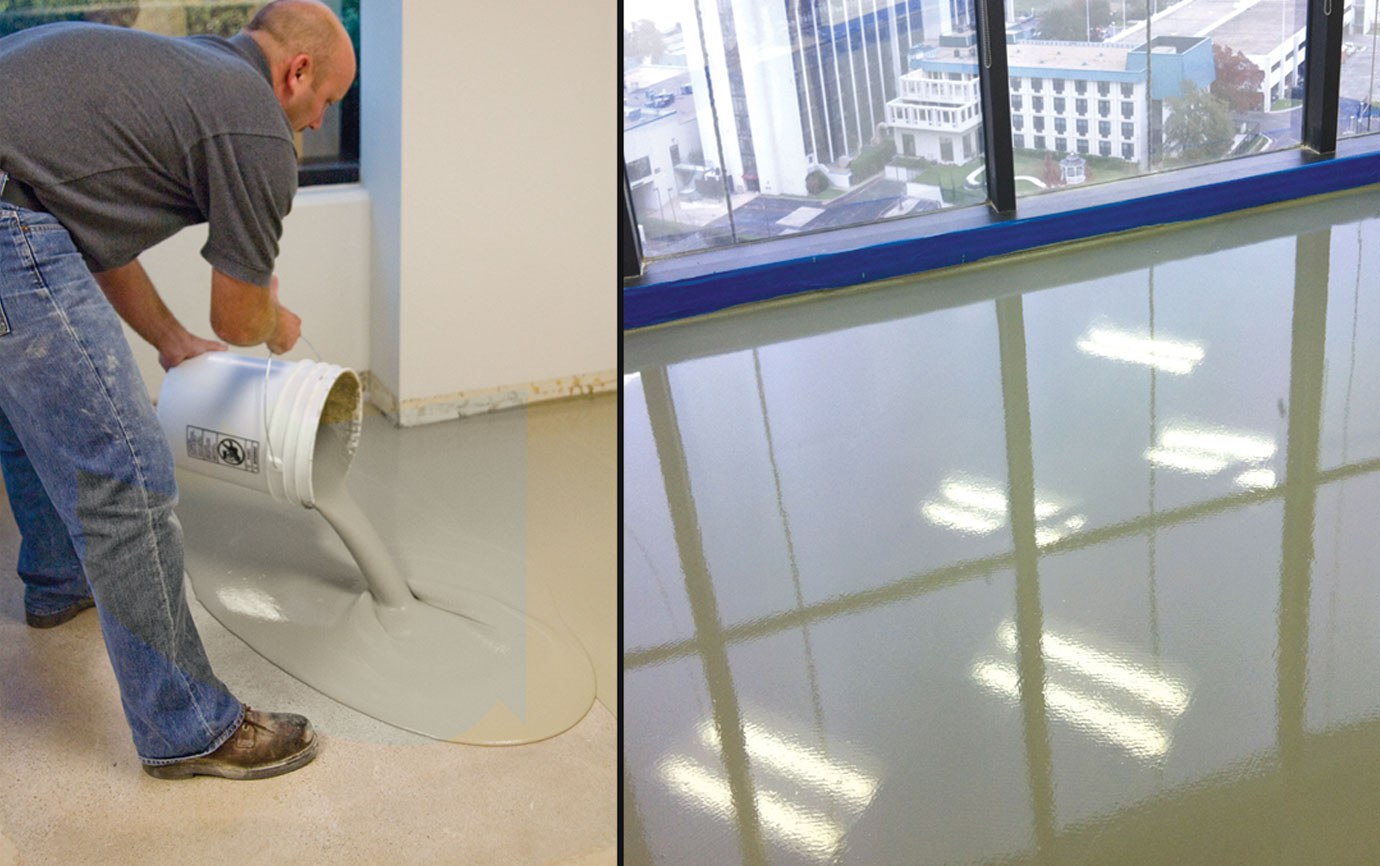
A variety of self-leveling compounds are readily available to address uneven concrete surfaces, giving home owners with reliable remedies for attaining a smooth surface. These compounds are typically made from a mixture of concrete, polymers, and accumulations, enabling simple application and rapid healing. When poured onto the surface area, they resolve and stream into reduced spots, developing a level aircraft.
Self-leveling compounds can be classified into 2 main kinds: gypsum-based and cementitious (Concrete Leveling). Cementitious substances are excellent for exterior applications and heavy website traffic areas, while gypsum-based alternatives appropriate for indoor use and provide a quicker establishing time. House owners can choose the proper substance based on their certain needs and the conditions of the task, guaranteeing a long lasting and remarkable finish
Materials Made Use Of in Concrete Leveling
Effective concrete leveling depends on a variety of specific products designed to boost security and durability. Among these, self-leveling substances are frequently utilized, giving a smooth surface by filling low areas and developing an also coating. In addition, polymer-modified mortars provide boosted bond and adaptability, making them ideal for numerous substratums. Foam and mud jacking products, such as polyurethane, are frequently employed for raising settled concrete slabs, guaranteeing resilient assistance. In addition, split fillers and sealers play an essential duty in attending to surface flaws and stopping future damages. Supports like steel rebar or cable mesh can be integrated to boost architectural stability. Together, these products contribute to efficient and reliable concrete leveling solutions.
Do It Yourself Concrete Leveling: Step-by-Step Overview
In the domain of do it yourself concrete leveling, comprehending the required devices is crucial for a successful project. The procedure includes a clear detailed application that ensures a smooth and even surface. This overview will lay out both the important devices and the systematic method needed for efficient concrete leveling.
Devices Required for Leveling
When taking on concrete leveling, having the right tools is crucial for attaining a smooth and even surface area. Key devices include a concrete mixer, which ensures proper mixing of leveling substance, and a trowel for spreading it uniformly. A degree is vital to analyze the surface's flatness, while a straightedge aids identify low and high areas. In addition, a squeegee can help in spreading out the mixture in larger locations. Safety gear, such as handwear covers and safety glasses, protects versus dashes and debris. A vacuum or broom is needed for cleaning the surface before application. Confirming all these tools get on hand will certainly simplify the leveling process and add to a perfect coating.
Step-by-Step Application Process
An effective concrete leveling task involves several clear and methodical steps that guarantee a balanced surface. Concrete Leveling Des Moines. First, the area needs to be extensively cleansed to get rid of any debris or loose material. Next, any type of considerable splits need to be fixed to determine a smooth base. After preparing the surface, the leveling compound is combined according to the producer's guidelines. The mixture is then put onto the unequal locations, beginning from the cheapest factor. Making use of a trowel or a progressing device, the substance is spread uniformly over the surface. When applied, it is necessary to enable ample drying out time as defined in the guidelines. The newly leveled surface area can be finished with paint or sealant for included protection and visual appeals.
When to Work with an Expert
Concrete leveling can be a complex job that usually needs a professional's competence. House owners must think about hiring an expert when the concrete problems are extensive, such as substantial splits, huge sunken locations, or when the concrete spans a huge surface. Furthermore, if the project involves specific tools or products, a specialist's experience can guarantee proper application and safety. Those lacking the moment or understanding to carry out the leveling process effectively might also gain from expert help. If the job needs adherence to neighborhood structure codes or permits, professionals can browse these laws with ease. Eventually, spending in an expert can save time, minimize anxiety, and lead to a much more durable, top quality finish.
Keeping Your Concrete After Leveling
Correct maintenance of leveled concrete is necessary to guarantee its longevity and toughness. After leveling, it is crucial to enable the concrete to heal correctly, typically for at least 28 days, to achieve peak toughness. Routine cleansing is recommended; utilizing a broom or a stress washer can get rid of debris and protect against staining. Furthermore, using a sealant every couple of years helps safeguard against dampness and chemicals that can create damage. Home owners must additionally evaluate for cracks or unevenness regularly, as very early detection can stop further issues. Lastly, avoiding heavy loads or sharp effects on the surface area will help keep its integrity, ensuring that the leveled concrete continues to be a stunning and useful component of the home for many years ahead.
Regularly Asked Questions
How Much Time Does Concrete Leveling Last Prior To Needing Re-Treatment?
Concrete leveling generally lasts in between 5 to 10 years, depending upon aspects such as weather, usage, and the high quality of materials used. Routine maintenance can expand its life expectancy and keep a smooth surface.
Can I Walk on the Leveled Surface Immediately After Treatment?
Instantly after treatment, it is normally suggested not to walk on the leveled surface area. Permitting sufficient healing time warranties ideal results and protects against damage, typically recommended to wait a minimum of 24 hours before any kind of foot web traffic.
What Is the Cost Range for Specialist Concrete Leveling Solutions?
The cost range for expert concrete leveling solutions typically falls in between $3 and $25 per square foot, depending on elements such as the level of leveling called for, the technique made use of, and regional rates differences.
Is Concrete Leveling Safe for Pets and Kids?
Concrete leveling is generally secure for family pets and children once the location has completely healed. It's suggested to keep them away throughout the leveling process to prevent mishaps and guarantee a smooth, hazard-free atmosphere later.
Does Weather Condition Affect the Concrete Leveling Refine?
Yes, climate noticeably influences the concrete leveling process. Concrete Leveling. Severe temperature levels, humidity, and precipitation can affect healing times and the top quality of the finished surface, making it necessary to consider climate condition prior to starting the project
Acknowledging the indicators that concrete demands leveling is vital for keeping the honesty of surface areas influenced by underlying issues. Frequently, house owners encounter the challenge of unequal concrete surface areas, triggering them to contemplate efficient leveling methods. When carrying out concrete leveling, having the right tools is necessary for attaining a smooth and also surface. A successful concrete leveling job involves several clear and methodical steps that guarantee a well balanced surface. Homeowners should see it here consider hiring a professional when the concrete issues are extensive, such as significant cracks, large sunken areas, or when the concrete spans a large surface area.